Land Reclamation (Post Wildfire)
After a wildfire, the soil and ground surface can change. Rain can move ash and loose soil quickly, especially on slopes. Land reclamation stabilizes the site so you can replant, rebuild, or use the land safely again.
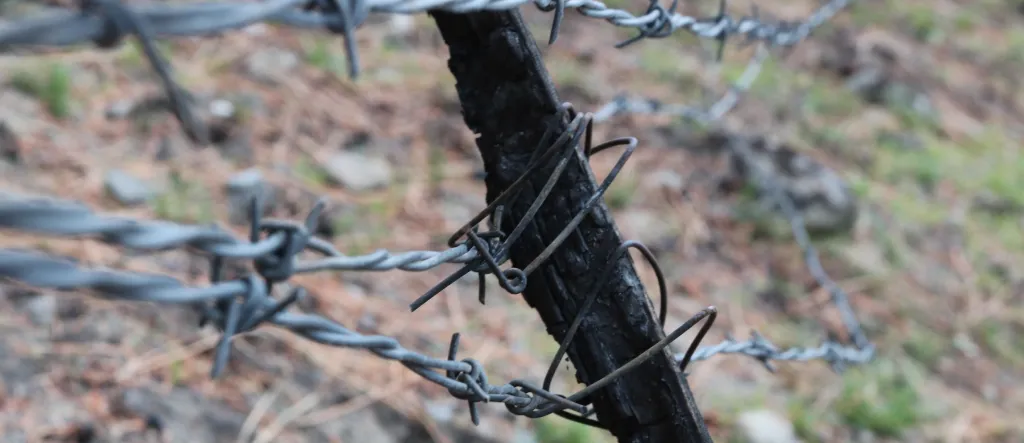
Initial Assessment and Understanding the Damage
We start with a site walk and a practical assessment. We look at burn severity, slope risk, loose soils, damaged drainage, and access limits. This helps identify what needs attention first and what can be scheduled later. If there are hazards like weakened trees or unstable edges, we address those before machines go to work.
Leveling and Grading
Grading restores the land shape so water moves where it should. We reshape ruts, gullies, and burned surfaces to reduce erosion and limit ponding. We can also re-establish safe access routes for equipment and future work. The goal is stable ground that drains properly and supports the next phase.
Soil Stabilization
Some burned soils shed water and break down faster than normal. Soil stabilization helps the ground hold together and support new growth. Depending on conditions, this can include blending organics, adding soil amendments, and installing surface protection. We match the method to your slope, soil type, and end use.
It’s a group effort.
Reclamation works best when the plan matches your goals. We confirm what you want the land to do next, such as reforestation, pasture recovery, or rebuild preparation. We can also coordinate around requirements from insurers, consultants, or local agencies when needed.
Other Considerations in Land Reclamation
- Erosion Control Measures: We can add erosion control to protect the site during rain events. This can include sediment barriers, surface roughening, and support for re-vegetation to reduce washouts and protect lower areas.
- Monitoring and Maintenance: Recovery can take more than one visit. We can check the site after storms for new rills, plugged culverts, or settlement, then repair before damage spreads.
- Community Involvement: If your property is near neighbors or shared roads, coordination helps. We can plan access timing, hauling routes, and dust control so the work stays predictable for the area.
- Adapting to Climate Change: We plan with heavier rain events and longer dry periods in mind. That means building drainage and slope protection that can handle higher runoff and reduce future failure risk.
Rock Hard Excavating provides post-wildfire land reclamation in the Okanagan Valley, including Kelowna. Our focus is safe access, stable slopes, controlled drainage, and ground that is ready for replanting or redevelopment. If you want to get clear on next steps, we can start with a site assessment and a scope that fits your property.